Data API
Best API for Memecoin Trader Data in 2026
This guide evaluates API solutions for tracking memecoin trader performance, comparing wallet coverage, chain coverage, and pricing. We cover what to look for in a trader data API and how fomoapi.io resolves social handles to on-chain wallets and trade history.
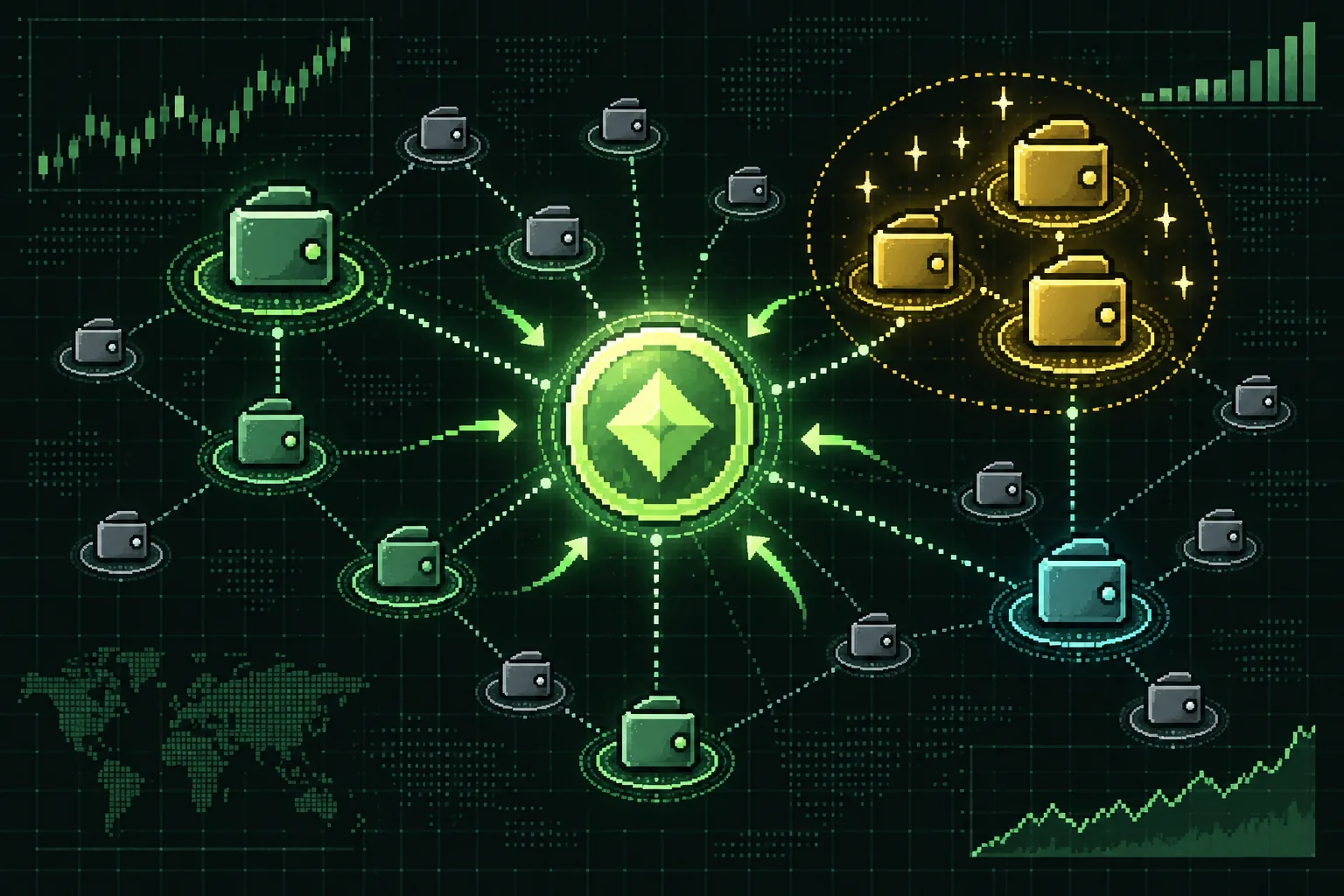
If you're building a memecoin trading bot, leaderboard, or analytics dashboard, you need a memecoin trader data API that serves PnL, live holdings, and available trade history without the noise of self-reported stats. Most social trading APIs scrape Twitter bios or rely on user input, but the best tools in 2026 resolve social handles directly to real wallets and pull data from the blockchain.
What Is Memecoin Trader Data?
Memecoin trader data is the full record of a trader's activity: their wallet addresses, token holdings, completed trades, realized and unrealized PnL, and historical performance across chains. For memecoins specifically (tokens like BONK, WIF, POPCAT, or the hundreds of new launches each week), this data lives on-chain but is scattered across Solana and EVM chains like Base, Ethereum, and BSC.
A memecoin trader data API aggregates this information and serves it through structured endpoints. You pass in a trader's handle or wallet address and get back:
- PnL (total, realized, unrealized) as fomo.family reports it
- Current token holdings with cost basis and market value
- available trade history (buys, sells, timestamps, token addresses)
- Ranked leaderboard position by timeframe (7d, 30d, all-time)
- Real-time trade events via WebSocket
The key difference from generic wallet APIs is trader-centric indexing. Instead of querying by token or transaction hash, you query by social identity and get a complete trading profile.
Why the wallet behind the handle matters
Self-reported PnL is worthless. A trader can post a screenshot of a 10x gain, hide their losses, or fabricate the entire track record. On-chain data is the source of truth because every trade is a signed transaction recorded on the blockchain.
On-chain trader tracking means the API resolves a trader's social handle to their actual wallets, Solana and EVM. Wallets let you examine on-chain activity yourself. PnL and trade history are passed through as fomo.family reports them; this API does not independently recompute every trader's performance or guarantee a complete record across wallet changes.
This matters for three reasons:
- Trust in leaderboards. If you're building a social trading platform, users need to know the top traders are real.
- Copy trading accuracy. Bots that mirror top traders need the correct wallet addresses and real-time trade data. A wrong wallet or delayed feed costs money.
- Risk assessment. Investors evaluating a trader's calls need to see the full history, including drawdowns and holding periods. Cherry-picked wins are useless.
On-chain data is slower to index than a self-reported form, but it's the only way to build tools people trust with real money.
Key Features to Look for in a Trader Data API
Not all on-chain trader APIs are equal. Here's what separates a production-ready API from a hobby project:
Multi-chain coverage. Memecoin traders operate on Solana (most memecoins launch there) and EVM chains like Base (recent memecoin hub) and Ethereum. An API that only covers one chain misses half the story.
Social handle resolution. Traders brand themselves on Twitter, Farcaster, or Telegram, not by wallet address. The API should accept @handle and return linked wallets automatically.
Historical depth. You need available trade history, not just the last 30 days. If a trader had a massive win six months ago and has been losing since, that context matters.
Realtime feed. For copy trading or live dashboards, polling a REST endpoint every few seconds is inefficient. A WebSocket feed pushes new trades as they confirm on-chain.
Token metadata. Memecoin contracts often have no name or symbol on-chain. The API should enrich raw addresses with readable token info (name, symbol, logo, market cap).
Leaderboard filtering. A flat list of all traders is useless. You need to filter by timeframe (7d, 30d, all-time), minimum trade count, or specific tokens.
Rate limits and cost. Free tiers are fine for prototyping, but production apps need higher limits and predictable pricing. Check if the API charges per request, per trader, or per month.
How FOMO API Tracks Memecoin Traders
fomoapi.io is a social trading data API built specifically for this use case. It resolves any social trader's handle to both their Solana and EVM wallets and serves PnL, live holdings, available trade history, ranked leaderboards, a token ownership graph, and a realtime WebSocket feed through one API key.
The workflow is straightforward:
- Handle lookup. Send a GET request to
/v2/users/{handle}with a Twitter or Farcaster handle. The API returns the trader's profile, including linked wallet addresses on Solana and EVM chains (Ethereum, Base, BSC, and more, six chains total). - Trade history. Query
/v2/users/{handle}/positionsto get every buy and sell, with timestamps, token addresses, amounts, and prices. This is the raw material for calculating average hold time and favorite tokens. - Current holdings. Call
/v2/users/{id}/balancesto see what the trader holds right now, with cost basis and unrealized PnL per token. - Leaderboard rank. Check
/v2/leaderboard/{window}(where window is7d,30d, orall) to see where the trader ranks by total PnL. - Realtime updates. Connect to the WebSocket at
wss://api.fomoapi.io/ws/alertsand subscribe to a trader's wallet. You'll receive a message every time they make a trade, usually within seconds of on-chain confirmation.
The wallets come from on-chain resolution; the PnL figure is fomo.family's own. A trader can't inflate their stats or hide a bad month.
API Endpoints and Request Examples
Here's a concrete example of querying a trader's profile and recent trades. All endpoints require an API key in the Authorization header (format: Bearer YOUR_KEY). Create a free key at the dashboard; data access requires the key on every plan.
Get trader profile:
GET https://api.fomoapi.io/v2/users/traderhandle
Response (simplified):
{
  "id": "abc123",
  "handle": "traderhandle",
  "wallets": {
    "solana": ["7xKXtg2CW87d97TXJSDpbD5jBkheTqA83TZRuJosgAsU"],
    "evm": ["0x1234...abcd"]
  },
  "pnl": {
    "total": 125000,
    "realized": 80000,
    "unrealized": 45000
  },
  "rank_7d": 42
}
Get recent trades:
GET https://api.fomoapi.io/v2/users/traderhandle/positions?limit=10
Response includes an array of trade objects with type (buy/sell), token_address, amount, price_usd, timestamp, and chain.
Get current holdings:
GET https://api.fomoapi.io/v2/users/abc123/balances
Response lists each token the trader holds, with symbol, balance, cost_basis, current_value, and unrealized_pnl.
Check who holds a specific token:
GET https://api.fomoapi.io/token/BONK_CONTRACT_ADDRESS/holders
This returns a list of traders (by handle) who currently hold the token, useful for finding "smart money" around a specific memecoin.
For the full list of API endpoints, including WebSocket subscription format and pagination options, see the fomoapi.io docs.
Pricing and Rate Limits
Every data request requires an API key. Create a free key in the dashboard, then send authorization: Bearer YOUR_API_KEY.
Usage is metered in credits, and endpoints have different costs. A monthly credit allowance is not a fixed number of requests. See the pricing page for current credit allowances, endpoint costs, subscriptions, and optional prepaid payment methods. Use the API reference for response headers and rate limits.
The app-feed stream at /ws/alerts is separate from the on-chain stream at /ws/trades. Free keys receive an initial realtime app-feed trial, followed by a delay; paid keys receive the realtime app feed. The on-chain stream requires Growth or Scale. See the docs for current timing and access rules.
Alternatives and Tradeoffs
If fomoapi.io doesn't fit, here are the tradeoffs with other approaches:
Build your own indexer. You can run Solana and EVM nodes, index transactions, and resolve social handles manually. This gives you full control and zero API fees, but it's weeks of engineering and ongoing infrastructure cost. Viable if you have a blockchain team and need custom logic, but overkill for most apps.
Generic wallet APIs (Helius, Alchemy, QuickNode). These serve raw transaction data but don't link social handles to wallets or calculate PnL. You'll need to build the trader-centric layer yourself. Good if you're already using them for other data and want to add trader tracking as a side feature.
Self-reported platforms (Twitter, Discord bots). Some traders post their PnL in bios or use bots that track self-submitted wallets. This is free but unverified. Fine for casual browsing, unacceptable for any app where users make financial decisions.
Niche memecoin trackers (Photon, BullX). These are end-user tools, not APIs. You can scrape them, but you'll break when they change their UI and you'll violate their terms. Not a sustainable integration.
The main tradeoff is engineering time versus cost. A crypto trader leaderboard API like fomoapi.io costs $49.99 to $1,500 per month but ships in a day. Building it yourself costs zero monthly but weeks upfront and ongoing maintenance.
Choosing the Right API for Your Use Case
Pick based on what you're building:
Copy trading bot. You need realtime trade data and low latency. Use a social trading API with WebSocket support and multi-chain coverage. Check that the API updates within seconds of on-chain confirmation. Test with the live trader leaderboard to verify data freshness.
Leaderboard or social platform. You need PnL, rank by timeframe, and social handle lookup. Prioritize APIs that prevent gaming (on-chain only) and offer filtering (minimum trades, specific tokens). A memecoin wallet tracking API that links handles to wallets is essential.
Analytics dashboard. You need historical depth and bulk queries. Check if the API supports pagination and date range filters. If you're analyzing hundreds of traders, confirm the rate limit and cost scale.
Personal tracker. The free tier of most APIs will work. You don't need realtime updates or high request volume, so start with a free key and review your credit usage before upgrading.
If you're comparing multiple APIs, test them with the same trader handle and check for discrepancies in PnL or trade count. Data quality varies, especially for older trades or less popular chains.
Closing
Memecoin trading is fast and unforgiving. The difference between a profitable copy trade and a loss is often seconds and the accuracy of the data feed. A PnL API that resolves social handles to real wallets and serves on-chain data across Solana and EVM chains is the foundation for any serious trading tool in 2026. If you need that data without building an indexer from scratch, fomoapi.io is the most direct path from idea to production.
Ship on fomo.family trader data
Both-chain wallets, PnL and holdings, plus two live streams: the app feed on every plan, the on-chain stream on Growth. One API.
Get an API key